
Table of Contents
Background
Just recently, Bulgaria’s government was once again toppled, meaning that the country is heading for its seventh round of elections in five years just weeks before it adopts the euro. All of this is the result of the remarkable strength and courage of those who have been protesting against corruption on the streets for the past week – largely Gen Z Bulgarians sporting the slogan “You angered the wrong generation” have taken to the streets to make it clear that they will not stand for the corruption faced by their parents and grandparents both during communism and the troubling times after ’91.
Catalysts of unrest
Tax-pocalypse 2026: The Budget That Nobody Ordered
The now-collapsed government had been working on what it proudly called a “historic” 2026 budget, historic because it would be the first in Bulgaria’s history to be drafted in euros. Yet while the currency was new, the approach was not. Instead of restraint or reform, the government opted to raise taxes, increase social security contributions, and boost public-sector wages to unprecedented levels.
Naturally, the public reacted with concern. The budget threatened not only economic uncertainty, but also an escalation of corruption, as ever larger sums were set to flow into public institutions already notorious for waste and political interference. Bulgaria is already the European Union’s poorest and most corrupt member state, and to many citizens, it seemed as though the country was not content with holding that gold medal and was determined to reach even further beyond it.
Corruption, Oligarchic Influence and Distrust
Now, this might just be the oldest tale in Bulgaria’s history. The communist era saw people being dragged out of their homes and never coming back whilst rich bureaucrats benefitted from their ranks within the party – Karl Marx is undoubtedly turning in his grave.
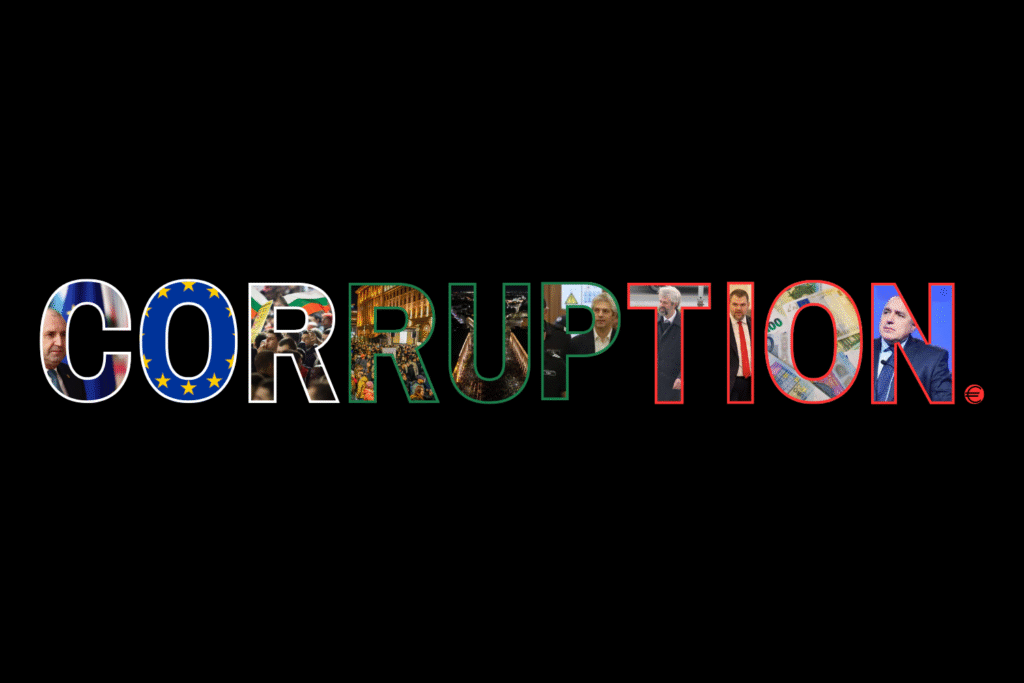
Now, over three decades since the collapse of the USSR, corruption at the highest levels remains a constant. Two of the most notable figures on this list are Boiko Borisov and Delyan Peevski.
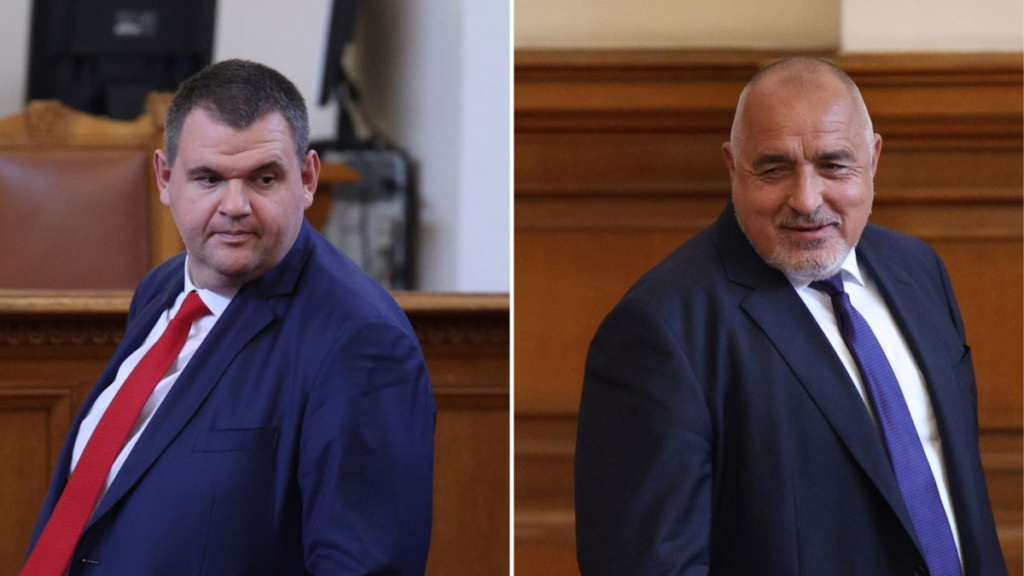
Although no longer prime minister, Boiko Borissov continues to cast a dark and seemingly impenetrable shadow over Bulgarian politics. As the long-time leader of GERB and the country’s most dominant political figure of the past decade, Borisov is widely seen as the architect of a system in which corruption is tolerated so long as it remains loyal. Starting as Zhivkov’s personal bodyguard, his later years in power were marked by repeated scandals, allegations of cronyism, and mass protests, yet little lasting accountability – just take a look at his nightstand and all should become clear.
Even now, many Bulgarians believe that Borisov governs from the shadows, exerting influence over institutions, coalition partners, and the prosecution without formally holding executive office. For protesters, his continued relevance is proof that Bulgaria’s political system recycles power rather than renews it, allowing those responsible for institutional decay to remain untouchable.
If Borissov represents political endurance, Peevski embodies ultimate political impunity. A media tycoon, mafia bigwig and sanctioned oligarch, Peevski has long been accused of wielding enormous influence over Bulgaria’s media, judiciary, and security services (briefly chairing these in 2014) despite holding no formal executive power. His inclusion on US and UK sanctions lists for corruption only deepened public outrage, as people felt his prominence was and is greatly holding the country back from becoming a respected European state.
His name has become shorthand for everything demonstrators are rebelling against: opaque decision-making, selective justice, and a political culture in which loyalty is rewarded while dissent is punished. The fact that opposition figures and reformist mayors face arrest while Peevski remains untouched has only reinforced the perception that Bulgaria operates under two legal systems, one for the powerful and one for everyone else.
The Varna Affair: The Mayor Who Became a Movement
On July 8th, Blagomir Kotsev – the mayor of Varna who belongs to the anti-corruption party of “We Continue the Change” – was arrested because of alleged embezzling through a catering contract. Is this where we draw the line? Catering contracts? Well, maybe it would be if this was a legitimate charge, an actual strive towards justice – but no. This is yet another act in the country’s political theatre, with a witness against Mr Kotsev coming forward to say that their testimony was coerced.
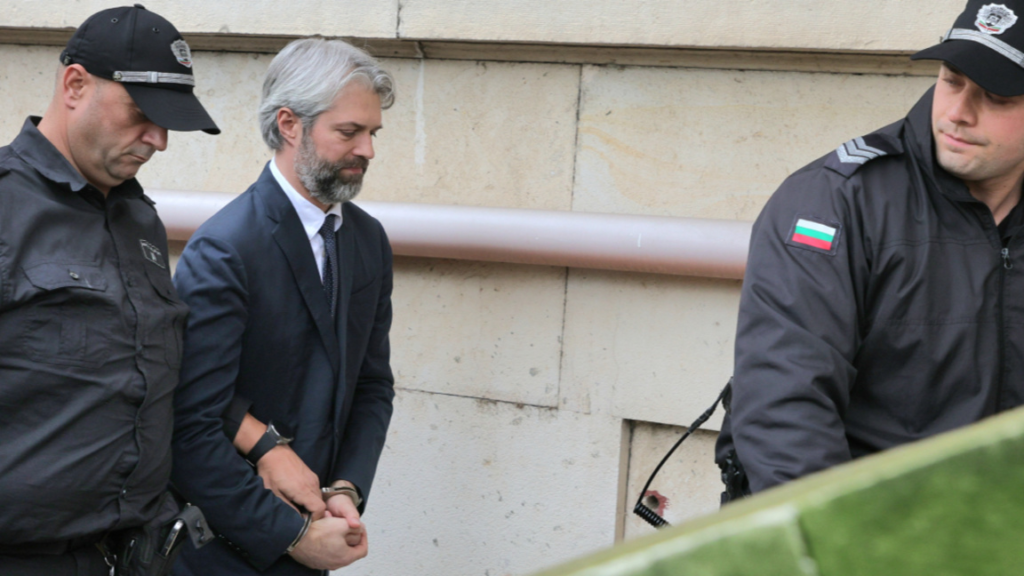
His prolonged pre-trial detention sparked repeated protests in Varna, Sofia and other cities like Berlin, where the involvement of the German ambassador has even resulted in diplomatic tensions with Germany. Supporters have been arguing that the judiciary was being used as a tool against political rivals and demanding judicial independence and rule of law reforms. After nearly five months in custody, a court in late November 2025 allowed his release on 200,000 BGN bail, which was quickly raised through crowdfunding by thousands of supporters, enabling him to resume his mayoral duties while the case continues.
More than anything else, Kotsev’s politically motivated arrest was significant in terms of what it showed Bulgaria’s youth. For many young Bulgarians – particularly those already sceptical of political institutions – the detention of a democratically elected, opposition mayor reinforced the belief that power in Bulgaria is not exercised through transparent rules, but through selective justice. The perception that anti-corruption laws can be weaponised against political rivals rather than used impartially deepened fears of a “mafia-state”, where loyalty matters more than legality.
This moment crystallised a wider generational disillusionment: young people who grew up hearing promises of European values, rule of law and meritocracy were confronted with a stark counter-example playing out in real time. As a result, Kotsev’s case became not just a legal controversy, but a political awakening – helping to mobilise Gen Z protesters who saw his arrest as a warning that without civic pressure, democratic rights and fair governance cannot be taken for granted.
So, who’s out there fighting for change?
We are all familiar with the power of social media – TikTok, Instagram, X and yes, even Facebook are incredibly powerful tools for spreading awareness. The incredible scenes of thousands marching towards the parliament building is something we never would have seen without the protests’ promotion and publicity on platforms like TikTok, attracting the attention of Gen Z who brought their arsenal of memes and community spirit to fight for the protection of their rights and liberties. Young people have been migrating out of the country at alarmingly high rates, leaving Bulgaria with another detrimental problem.
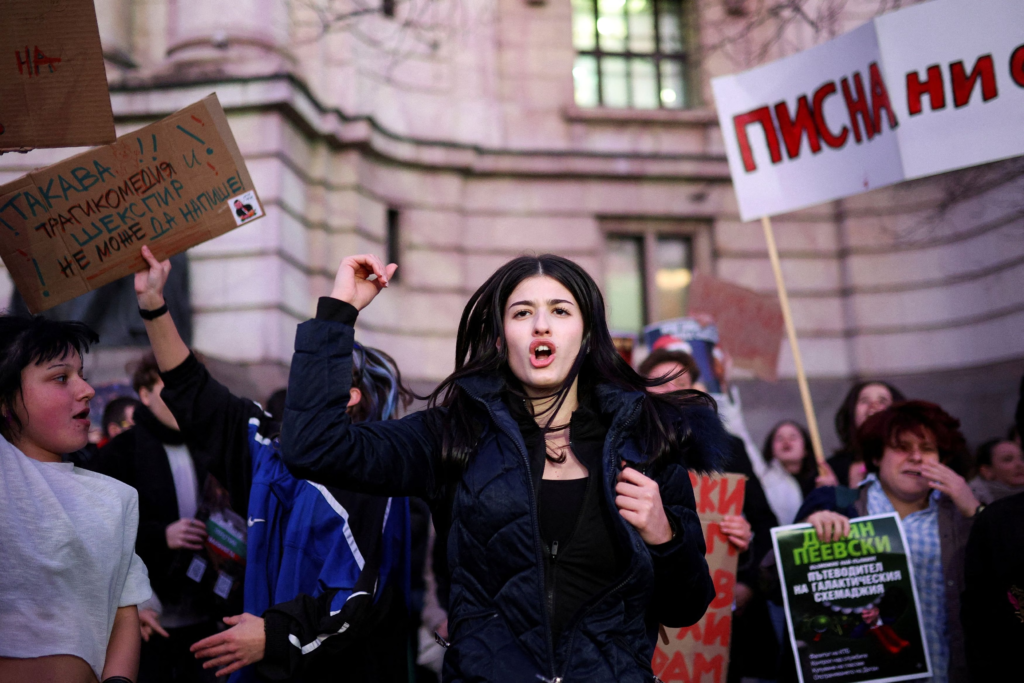
This exodus has only fueled the determination of those who remain: students, young professionals, and activists are channeling their frustration into action, refusing to stay silent while corruption and political manipulation persist. They are not just protesting for themselves, but for the future of Bulgaria – demanding transparency, accountability, and a system where merit, not connections, determines opportunity. In taking to the streets, organising online campaigns, and amplifying each other’s voices, these young Bulgarians are proving that even in a country grappling with entrenched power structures, a new generation is willing to stand up, speak out, and fight for meaningful change.